Monday, 30 May 2011

Asus unveils Padphone droid with tablet dock, MeMO 3D tablet


At Computex, Asus announced a phone with half a tablet and a tablet with half a phone. The Padphone that leaked earlier today is official, although its specs haven’t been finalized yet and then there’s the MeMO tablet with a glasses-free 3D screen and phone-like Bluetooth gadget.

Leaked photos of the Asus Padphone barely entered the rumor mill and it’s already official (this happens a week after the initial teaser). Asus showed only a mockup at Computex as the design for the gadget hasn’t been finalized yet.

Here’s the deal (if the name hasn’t given it away yet) – it’s an Android phone with 4.3” screen that inserts into a 10.1” tablet. Not much is clear about the Padphone, aside from Asus hinting it will run Ice Cream Sandwich, which makes sense since that’s the Android version that is supposed to unify the phone and tablet Android branches.

Anyway, the tablet is just a dock – it displays the phone’s UI on its bigger screen and provides a big battery, speakers and some extra ports. The phone has a microHDMI and microUSB ports that hook up to the tablet to output the screen image and charge the phone and there’s a 5MP camera on the back (with a hole at the back of the tablet dock so that you can still take photos).

Here are a couple of promo videos that show the Asus Padphone (computer generated) action (remember it’s still at the mockup stage).
Hey wait, was that Internet Explorer 8 on the tablet dock’s screen on this second video (1:36)? What?

We’ve already seen a netbook dock for an Android phone (Motorola’s Atrix and dock) and Asus’ own Transformer tablet sort of turns into a netbook with its keyboard dock. Now the Asus Padphone is another variation on the theme. Asus say it should be out for Christmas and judging by the Transformer’s price tag, there’s a chance it will have a decent price too.

Next up is the Asus Eee Pad MeMO 3D. It’s a 7” Android tablet with a glasses-free 3D IPS display with 1280 x 800 pixels resolution. Sounds impressive, doesn’t it? It reportedly runs Android Honeycomb on a 1.2GHz dual-core Qualcomm CPU. Unlike the Padphone, Asus showed an actual working prototype.

Here’s the deal though – there’s a Bluetooth remote that can control the MeMO 3D and you can actually take calls on it like a phone. It’s got a transparent screen too, to increase the “cool” factor. Of course, if you want to use the remote (called “MeMIC”) as a phone, the MeMO 3D will have to be in Bluetooth range (10m at best).

Saturday, 28 May 2011

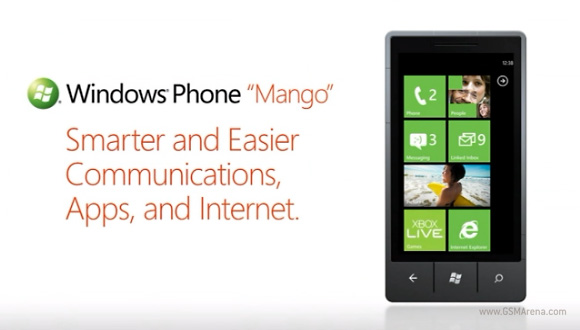
Can Mango really power Windows Phone to the top?


Windows Phone’s 7.1 Mango update has dominated headlines this week. And rightly so. The updates make the already excellent mobile OS even more appealing, with brilliant advances in terms of Bing search, improved live information delivered to the homescreen and full-on Twitter support.

And that’s before we even get to the belated announcement of Windows Phone Marketplace’s arrival online, offering punters the chance to buy and sync apps on the web as well as on their phones.

But while on paper, and in the flesh, these updates are undoubtedly impressive, Microsoft still has some big work to do to get itself to the top. New partners, in the form of Acer, ZTE and Fujitsu will help globally, if not in he vital US and European markets. But there has to be a question about why this update isn’t being released until autumn.

There is some logic behind the move. Microsoft wants to ensure devs have the chance to bring the new features to existing and future apps, hence they’ve released the SDK now. And trailing operating systems is nothing new: Google did it with Ice Cream Sandwich at I/O earlier this month and Apple will do the same with iOS 5 in the next fortnight.

However, the fear is that Microsoft will take three months to get it ready for devices, only for manufacturers and networks to take their own sweet time testing it and getting it out into the wild. This has already happened with the Big M’s previous Windows Phone update, causing much embarrassment and awkward headlines for the Redmond company.

On top of this, Microsoft will be releasing its Windows Phone update around the same time that Apple updates current iPhones with iOS 5 and rolls out the sequel to its best-selling blower. Just a few weeks later, Ice Cream Sandwich will land on Nexus phones, with new Android hardware doubtless not far behind.

This is tough on Microsoft. Rush the release and risk getting it wrong. Hold it back and they’ll have to go mano-o-mano with the biggest players in the smartphone space. Of course, its Nokia Windows Phones will cause some buzz and generate sales. But will they be anywhere approaching the volume it needs to start pushing up analysts’ smartphone charts?

It’s highly unlikely, especially as Google and Apple look to redouble their efforts in the run up to Christmas. Mango looks the part, just as the first version of Windows Phone 7 did. But there has to be the fear that this will remain, for the time being at least, a niche concern for discerning mobile users.

Nokia to continue support for Symbian at least till 2016


Ever since Nokia announced that they will be shifting from Symbian to Windows Phone 7 as their primary smartphone platform, there has been unrest among the Symbian community regarding the future of their favorite platform. So in order to put these fears to rest once and for all, Nokia's CEO Stephen Elop addressed the issue in an interview with Nokia Conversations blog.

In the interview, Elop categorically stated that investment in Symbian will continue even as they transition to Windows Phone 7 as their primary smartphone platform and that software updates to Symbian devices will continue at least till the year 2016.

What this means is that if you were thinking of picking up that N8 but you were unsure how long will the device be supported by the manufacturer, you now have the answer. 2016 is a good five years away from now and you will most likely change your device before Nokia drops support for Symbian, if they do at all.

In the video below, Stephen Elop addresses the aforementioned issue, along with the change in the direction of the company, about China becoming the hub of Nokia's innovation, the kind of people that Nokia is looking to hire and which phone does he personally use.

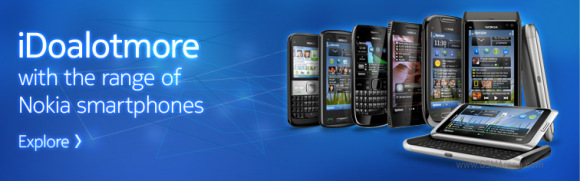
Nokia starts iDoalotmore campaign in India, seriously?

Nokia started a new campaign to promote its latest Symbian gadgets in India called iDoalotmore. It starts just a day after Apple launched the iPhone 4 there and is available on Nokia's official pages and billboards across the country.
The iDoalotmore campaign surely targets the potential iPhone 4 buyers in India and wants them to jump on Symbian instead. Are we the only ones that find the concept of such an aggressive anti-campaign not fit for the biggest cellphone manufacturer in the world?

The campaign accents fall on Nokia Maps, Music, Camera and Video, Video Calling, Apps and USB on the go. The models featured in the campaign may all have a trick or two that bests the iPhone 4, but iDoalotmore from a Symbian smartphone, really?

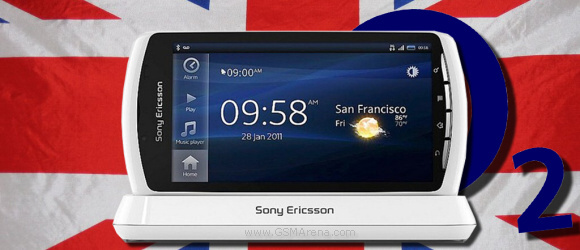
The Xperia PLAY finally available at O2 UK, white one too

The Sony Ericsson Xperia Play generated a lot of hype for a phone with a single core CPU in the year 2011. We guess that has something to do with the PlayStation blood it has running in its veins. Now the phone is finally available from O2 UK, after several delays. And they've got an exclusive white color as well. The phone will cost you nothing on a contract and 430 quid if you want it commitment-free.

O2 has talked on the exclusive white PlayStation phone before, bragging about it, even though they had a significant delay of their 1 April release. Then there was the rumor that the Play will hit O2 shops in June, which finally turns out untrue as it's already online at the O2 store as we speak.

The Xperia Play comes with a single core 1 GHz Snapdragon processor, 512 MB RAM, 5 MP autofocus camera and a slide-out gaming pad. If you're interested in how this bad boy handles why not check out our full review?

Thursday, 26 May 2011

Web app purchases finally coming to Windows Phone 7


Microsoft has announced it will soon allow Windows Phone 7 (WP7) applications to be purchased directly from the Marketplace website to coincide the release of the Mango update.

Currently the Windows Marketplace site allows users to only browse applications and doesn’t have an e-commerce component to facilitate the purchase of apps. However, the Redmond software giant has assured users that that will soon change when the newly unveiled Mango update for Windows Phone 7 lands this autumn.

The move comes as nearly all of Microsoft’s rivals, including Apple, Google, HP, Nokia and BlackBerry, now provide some way of purchasing apps from their respective web stores. Some allow apps to be downloaded and transferred directly to the phone while others send an SMS or email link to continue the download process on the handset.

Microsoft has told Engadget that apps purchased will be delivered over the air and installed in the background “in a single step” using the WP7 notifications system. SMS may only be used in cases where notifications are turned off, but there would still not be any “links or added engagement on the phone”, which could mean that the app will be delivered via the message itself.

Users will also be able to browse their download history on the web Marketplace, share apps with friends and reinstall every app they have purchased/downloaded onto a different device should they replace handsets or have more than one.

iPhone 3GS not invited to iOS5 party?


The soon-to-land updated version 5 of Apple’s iOS operating system will not be compatible with the iPhone 3GS, an influential blogger has claimed.

Expected to be unveiled alongside the iPhone 5, iOS 5 is likely to be a major update that brings a host of new features to Apple smartphones.

However, according to a Tweet from tech insider Eldar Murtazin of Russian site Mobile-Review, the new iteration will only be compatible with the iPhone 4 and the forthcoming edition of Apple’s handset.

Apparently, this is because the 3GS, despite being but two years old, simply doesn’t have the processing grunt to cope with the graphics-heavy functions that iOS 5 is purported to boast.

An A4 processor, which is present and correct in the iPhone 4, is reportedly the minimum requirement to run the landmark fifth major update for Apple handsets.

Murtazin tweeted: "Just one comment. Apple iPhone 3GS won’t be upgradable to iOS 5.x. iPhone 4 will."

Credence is added to his claim by the fact that Apple was forced to omit some key features of iOS 4 for iPhone 3G users, after struggling to get that version of the platform to play nice on older hardware. This time around, it seems it's just not even going to bother to try to update a two-year-old phone.

Sony Ericsson Xperia Play 'price cut due September',sales slow


Disappointing demand for the Xperia Play will prompt Sony Ericsson to drop the asking price for its flagship Xperia Play gaming smartphone, it has been claimed.

After years of speculation about a PlayStation branded phone, the Play finally landed in April this year in a welter of hype.

But according to Russian smartphone sage and all-round industry insider Eldar Murtazin of Mobile-Review, the handset hasn’t been the hit the phone-maker has hoping for.

Writing in the site’s forums, he claims that Sony Ericsson CEO Bert Nordberg revealed its plans to shave the handset’s cost in a series of meetings in Russia.

Murtazin states: “Se xperia play was a huge mistake. No sales at all. After september 2 price will be corrected down again.”

Other revelations that purportedly came out of Norberg’s visit are that Sony Ericsson expects to continue to lose market share for the next four to five quarters.

However, to tackle this it is adopting a new strategy of ditching its previous approach of flooding the market with mid-range mobiles in favour of bringing fewer models to market. These will be high-end flagship smartphones with higher price points which will be supported with operating system updates for longer than SE has in the past.

Android Google Wallet NFC scheme launching today


Google will formally announce its plan to turn Android phones into digital wallets today with a scheme to harness newer handsets' Near Field Communications smarts, a sneakily sourced memo has confirmed.

NFC technology was introduced to the Android platform with the arrival of the 2.3 version of Google’s operating system and allows users to pay for low-ticket items by swiping their phone over a reader.

Reports that the search giant is this week planning to launch a scheme to bring the tech from the theoretical realm into the real world surfaced yesterday in the Wall Street Journal.

The memo appears to remove any doubt about the project. According to ThisisMyNext, which nabbed the memo from US retailer The Container Store, the project will be dubbed Google Wallet and will be detailed at a press call in New York today.

Google is expected to start the scheme on September 1st, initially in New York only. A number of high-profile retail and restaurant chain partners are rumoured to have been enlisted, including Subway, Macy’s and McDonalds.

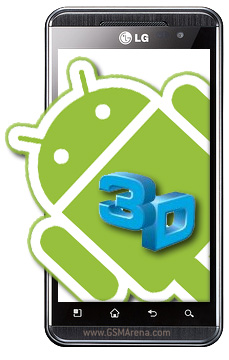
LG Optimus 3D coming to UK in early June, on pre-order now


In about a couple of weeks time, the LG Optimus 3D will add another dimension to Androids in the UK. It’s available on pre-order on contract with most major carriers and you can sign-up for a SIM-free unit too.

BuyMobilePhones has listed the LG Optimus 3D on their site for pre-order, giving you a choice between T-Mobile UK, Orange, O2 or Vodafone. The cheapest price comes from T-Mobile – the phone is free with a £25.54/month 2-year contract.

Vodafone has it for £30/month for 18 months and Orange for £30/mo again but for 24 months (phone is free). O2’s 2-year contracts start at £32. There’s no info when the Optimus 3D will be available on any of these carriers.

Clove UK is taking pre-orders for the Optimus 3D too – they have it SIM-free for £455 (including VAT), which sounds like a decent bargain to us. They expect the first units to arrive 6 June.

Aside from 4.3” glasses-free 3D screen and the stereoscopic 3D FullHD video capture (from the 5MP dual-lens camera), the Optimus 3D also boasts a 3D-augmentedreality browser and has partnered with YouTube for 3D video sharing. The only bad bit is that it's will be running Froyo at launch, but we're hoping LG will fix that quickly.

Wednesday, 25 May 2011

Nokia Windows Phone 7 phones to launch with Mango


Nokia’s first-ever Windows Phone 7 (WP7) handset is set to drop this autumn to coincide with the launch of the Mango update for handsets running Microsoft’s operating system.

The due date of autumn for Mango, a massive OS overhaul that brings 500 new features to WP7 handsets, was confirmed yesterday at Microsoft’s press event.

However, there was notably scant mention of how its major partner in the WP7 project, Nokia, fits in with the company’s strategy for the rest of the year.

Microsoft did, though, at least reveal that the first WP7 powered phones will debut with the latest form of the platform on board and are scheduled for release in a matter of months.

Other revelations from yesterday’s showcase included the news that the list of handset manufacturing partners has expanded to take in Acer, Fujitsu and ZTE.

We were also promised further devices from LG, HTC and Samsung – despite the fact that their Android phones have clearly hugely outsold the WP7 devices they released last year.

HTC Desire S red edition lands on Vodafone


Vodafone has secured exclusivity on a rather smart red edition of the HTC Desire S, bringing a bit of much-needed colour to the muted black and grey shades that typically characterise high-end Android kit.

On sale now, the red respray of the Desire S is free on £30 per month, 24-month contract deals. Or if you don’t mind paying a bit upfront, you can get it for £25 per month, plus a one-off charge of £99 to cover the cost of the handset.

The latest addition to HTC’s flagship Desire-branded Android phones takes its design cues from the HTC Legend, most obviously in the form of its unibody aluminium construction.

Elsewhere, it’s home to a 3.7-inch Super LCD display, plus a rear mounted five-megapixel rear-facing camera for vids and still and a secondary front-facing snapper for video calling.

Under the hood, the Desire S is powered by a 1GHz Snapdragon processor and packs the 2.2 version of Android, AKA Froyo, out of the box. However, an update to the latest 2.3 iteration has been confirmed for Vodafone customers later this year.

Tuesday, 24 May 2011

Windows Phone 7.1, a.k.a. Mango, goes official, here's what's new

Mango, a.k.a. Windows Phone 7.1, is served - along with 500 new features. Multitasking is among them, as is much deeper social networking integration, improved message handling and more.

The WP 7.1 update will be shipping on new phones this fall and it will be made available to existing Windows Phone 7 users for free at the same time. And there will be new devices to come - aside from the widely publicized deal with Nokia, Acer, Fujitsu and ZTE will be making Windows Phone 7.1 devices too.

Microsoft however confirmed they are sticking with Qualcomm's Snapdragon CPUs for the new batch of smartphones so while that's not bad, we'd really like to see custom SoC solutions from manufacturers. With all the same hardware, manufacturers will still find it hard to differentiate their products but we guess, it makes sense from the software development point of view.

Getting back to the promised changes, Microsoft has added a long list of supported languages to greatly expand the reach of Windows Phone to new countries. The limited language localization offered so far has been cited as one of the reasons for the somewhat poor WP7 track record.

Multitasking is, of course, one of the most hotly expected features. It uses a card interface to switch between apps, very similar to what we've seen in WebOS.

Messaging is done on threads, combining various services - within a single conversation you can switch between SMS, Facebook chat and Windows Live Messenger seamlessly. Now that's new. We like innovation like that though the actual implementation by the users will be tricky, that's for sure.

Other messaging changes promise you will be able to dictate your messages or have an incoming text read to you, thanks to the text-to-speech and speech-to-text features.

Twitter and LinkedIn has joined the social networking prowess of Windows Phone too and Facebook check-in functionality as well as face tagging in photos are built-in. You can pin whole groups of people as live tiles and monitor updates from people in the group or message the whole group right from your Start screen.

Live tiles are improved in general - they will display much more info than their v7.0 counterparts.

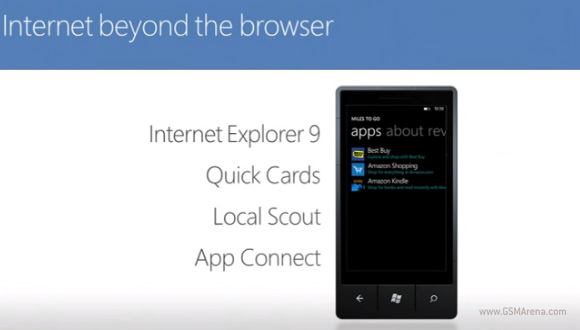
App connect helps third-party apps integrate into the Hubs of Windows Phone 7.1 to enhance the core experience of the phone. Apps will also be included in search results, making search in Mango much more context aware and hopefully useful. Check out our coverage on the new search features here.

Internet Explorer 9 is coming with the Mango update too (it's based on the capable desktop browser). IE9 for Windows Phone 7.1 supports hardware acceleration.

Bing services have been extended - Bing Vision (think Google Goggles), Music Search and Voice offer new ways to search the web. A curious new feature, called Quick Cards, will give you instant access to key information (including related apps) whenever you search for a product, place, event or movie.

Local scout will help you find what you need nearby - shops, restaurants or activities will be recommended in an "easy-to-use guide".

Friday, 20 May 2011

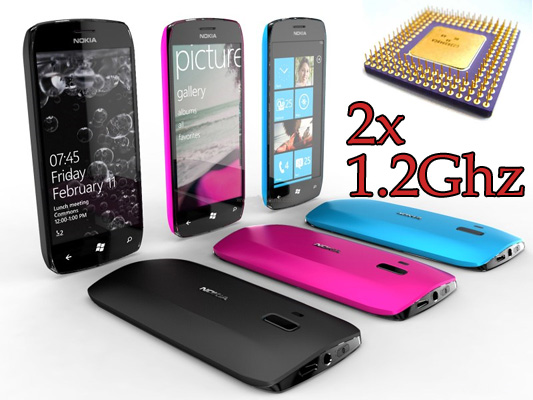
Nokia's WP7 phones to use U8500 dual-core 1.2GHz chipsets?


The CEO of ST-Ericsson got chatty in front of Forbes and said that Nokia’s Windows Phone 7 devices will be powered by the U8500 dual-core CPU and its successors will go on to power Windows Phone 8 phones too.

So far, Windows Phone 7 devices have been exclusively powered by Qualcomm chipsets (due to Microsoft’s limiting guidelines, which were revised recently). ST-Ericsson’s CEO however says that they will be one of two chip suppliers for Nokia’s WP7 phones (he didn’t say which was the other one).


The first Nokia devices will use the dual-core U8500 chipset, which has been seen running at 1.2GHz. Things might change by the time these devices come out, but they may be the first dual-core Windows Phone 7 handsets.

The CEO also said that over the course of 2012 Nokia will release 12 Windows Phone 7 devices that will be based on future versions of the U8500 chipset. He also believes that ST-Ericsson will be a key supplier for Windows Phone 8, yep that's 8.

The Mango update is v7.5, so Windows Phone 8 is already very likely in the works (and the rumor mill suggests that it and Windows 8 will be closely related).

The U8500 has a powerful Mali-400 GPU, the same as on the Samsung I9100 Galaxy S II.

Sony Ericsson Xperia Play and Arc get Android 2.3.3 security update

Sony Ericsson will be rolling out an update to Android 2.3.3 for the Xperia PLAY and Xperia Arc phones. The update will fix some security issues and will come with Sony Ericsson's latest Facebook integration that was introduced in the latest Xperia Mini and Xperia Mini Pro.

The fancy integration with the social network, dubbed Facebook inside Xperia, isn't new to us. It'll help Facebook become best friends with your Xperia phone by syncing the Facebook contacts, calendar and photos altogether.

Unlike HTC, who are making an entire phone around the interaction with the social network, Sony Ericsson is just "enriching the experience", as Calum MacDougall, Head of Web Service Partnerships at Sony Ericsson, puts it.

Facebook inside Xperia, as the name suggests, is coming for all recent Xperia models, including the Xperia Neo, Xperia Mini and Xperia Mini Pro.

The Android 2.3.3 update is (hopefully!) expected next week.
 

Thursday, 19 May 2011

Android security fix coming, no device update necessary


Google is already hard at work to fix the security hole that affects the security of Android apps that sync with servers on the Internet. They have found a way to fix the problem without having to update users’ devices, which is good since 99.7% of devices (all running Android 2.3.3 and below) were affected.

It’s a server-side fix – Google will make its servers switch to a secure channel when syncing users’ data. The fix should roll out to Google's servers over the next few days and affect every Android device.

The Contacts and Calendar apps were affected and this fix should make them secure. The Gallery app, which syncs online albums with Picasa, however is and will remain vulnerable after the fix (the Gallery app is developed by a third party). Google is looking into that but didn’t give a timeframe for fixing the Gallery hole.

It’s a good thing Google managed to find a solution that doesn’t require updating the Android devices themselves – that usually takes quite a while and some older devices aren’t being updated at all any more.

Tuesday, 17 May 2011

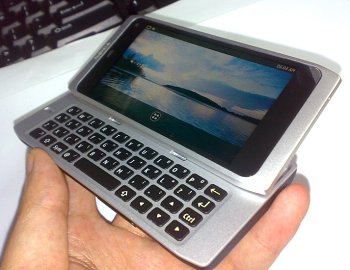
Nokia N9 video ad leaks, teases with 12MP camera and Symbian

A leaked teaser video that we just found shows a bunch of interesting details about the unreleased, unannounced Nokia N9 smartphone. Unfortunately, the fast-paced teaser leaves more questions than answers.
The Nokia N9 was always rumored as running whatever version of MeeGo is latest, but this video clearly shows the user interface of what we now know as Symbian Anna.
 The 12MP camera on the other hand is not something new, as it's been present in previous leaks. But yes, this is the first time we get to see it confirmed semi-officially. We also see that it's got a 28mm wide-angle Carl Zeiss lens and an aperture of F2.8 so it's exactly the same unit we've seen in the N8. It's only not as bulging as on the N8. And it has a dual LED flash, not a xenon unit as the N8.
 It was only recently that we saw a mention of the N9 in some FCC files, so the announcement might as well be just around the corner. Or not! We're not really sure what to make of the Symbian interface and we're really not sure whether Nokia needs a second E7, be it 12MP or not.


99% of Android devices are vulerable to security hacks


Security experts in Germany have uncovered yet another vulnerability in the Android operating system that could enable hackers to launch so-called ‘impersonation’ attacks on almost every Android device out there.

Just when you thought Google’s Android security wounds from a string of recent malware attacks were finally starting to heal, researchers at the Institute of Media Informatics at University of Ulm have exposed a new flaw in the fast-growing mobile platform. This time it's in a log-in authentication protocol known as ClientLogin, that could potentially give cybercriminals unfettered access to contacts, calendars and other sensitive data stored in Big G’s servers.

Essentially, when a user submits their correct log-in credentials for the above services, as well as Twitter, Facebook and a number of accounts, an authentication token (authToken) is transmitted in cleartext (as in unencrypted). This stays valid for up to 14 days, leaving the door open for hackers to steal the token and use it to log into said services masquerading as legitimate users.

The researchers stated: “We wanted to know if it is really possible to launch an impersonation attack against Google services and started our own analysis.

“The short answer is: Yes, it is possible, and it is quite easy to do so.”

According to the report, the flaw affects any device running Android 2.3.3 or lower. One of the ways the token can be stolen is when a user logs in over an unsecured wireless network.

As such, it is highly recommended that users upgrade to Android 2.3.4 where available as soon as possible, and also turn off automatic synchronisation in the Android settings menu when connecting with open Wi-Fi networks.

To stay on the side of caution, however, especially if Android 2.3.4 has yet to arrive to your device, you should avoid open hotspots altogether until Google releases a patch to take care of the problem.

Androids tablets will usurp iPad, says NVIDIA chief


Android tablets will outsell the iPad in three years time, the head of Nvidia forecasts, despite rumours that current-gen slates running Google’s OS have failed to set the world alight.

Jen-Hsun Huang, co-founder and chief executive of Nvidia, predicted an Android tablet takeover by 2014 in an address at tech talking shop hosted by sober suited business types at Reuters.

He said: "The Android phone took only two and a half years to achieve the momentum that we're talking about. I would expect the same thing on Honeycomb tablets.”

Huang’s bullish forecast comes amid reports in April claiming that demand for the Motorola Xoom – the first tablet powered by the much vaunted tablet optimised Honeycomb version of Android – could be as low as 25,000.

Factors thought to be harming Android tablets’ chances in the nascent slate space are the relative paucity of specially created apps compared with the iPad and unrealistically high price points.

BlackBerry PlayBook UK launch set for June 16th


The BlackBerry PlayBook will be making its UK debut on June 16th, it has been confirmed.

The seven-inch iPad challenger from Research In Motion (RIM), which launched stateside last month, will be landing in our shores in a month’s time through a number of major high street vendors such as Carphone Warehouse, Phones4U, Best Buy and the Dixons Group.

The cheapest model, which is the 16GB Wi-Fi-only version, will cost £399, matching its closest iPad 2 equivalent (not counting the screen size, of course), while the 32GB and 64GB models – also Wi-Fi-only - will set takers back £479 and £559 respectively.

Jeremy Fennel, category director at the Dixons group, said: "We are delighted to be adding the BlackBerry PlayBook – a great new breakthrough in the rapidly growing tablet market, that's ideal for the many current BlackBerry smartphone users, both business and consumer – to our already extensive range."

Billed as a ‘world’s first professional-grade tablet’, the PlayBook is home to a seven-inch multi-touch capacitive touchscreen with a 1024 x 600p WSVGA resolution, a 1GHz Cortex-A9 processor with 1GB of RAM and two front and rear-mounted cameras of three and five megapixel resolutions respectively - both of which shoot HD video at 1080p and support native video calling capabilities.

No word yet when the 3G model might also arrive to our shores. So if you’re looking to get online with the slate on your commutes, it might be best to stay tuned for an announcement directly from the networks.

Are you excited about the PlayBook? Let us know in the comments section below.